Editorial Policy

About V Rising Forge

Reviewed on August 18, 2026. This site is built to solve practical V Rising problems first: where to go, when a run is worth doing, what unlock matters next, and how to explain page status honestly when a guide still needs another pass.

Previous public baseline: Reviewed on Saturday, August 8, 2026.

What we publish

Boss routes, resource runs, progression bottlenecks, castle flow, map-use guidance, and mod pages that help players make smaller, better decisions.

What we avoid

Duplicate keyword shells, fake version pages, unsupported patch claims, and filler that repeats basic facts without helping the player decide what to do next.

What this page is really for

Visitors should be able to use this page to understand why a guide looks the way it does, what the page labels mean, and when caution is more honest than false certainty.

Who maintains the guides

The public guide byline now points to the V Rising Forge Editorial Desk, which explains review scope, play context, proof limits, and correction handling.

How trust is handled

When something still needs gameplay verification or visual proof, the site should say so openly instead of hiding the gap behind generic confidence.

How reviews usually start

Most review passes begin with one changed route, one unclear unlock, one outdated mod note, or one correction request that points to a specific claim worth checking.

Visual context

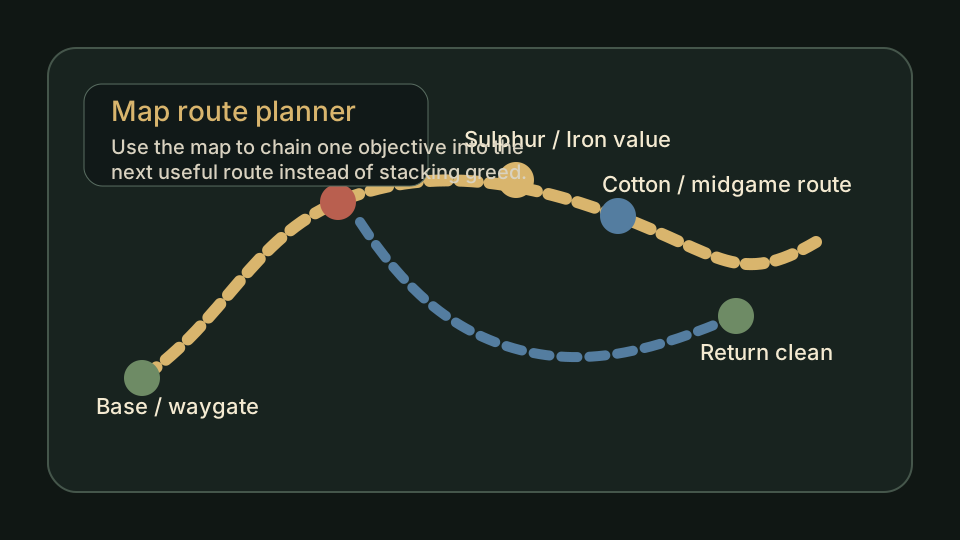
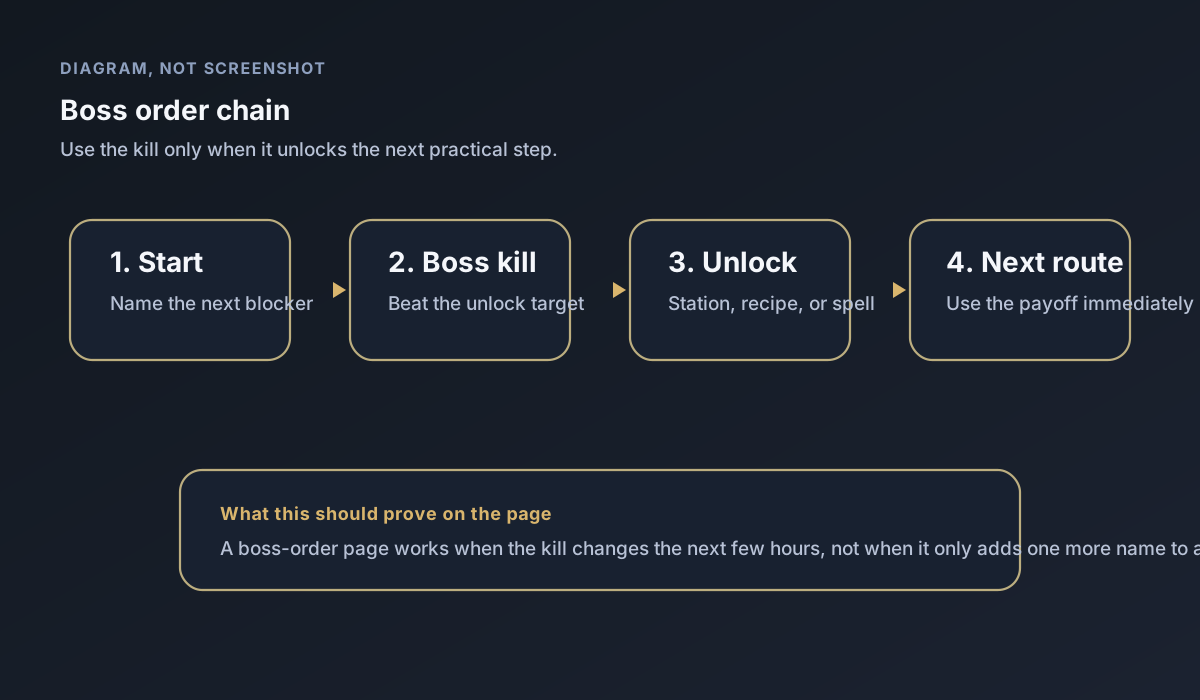
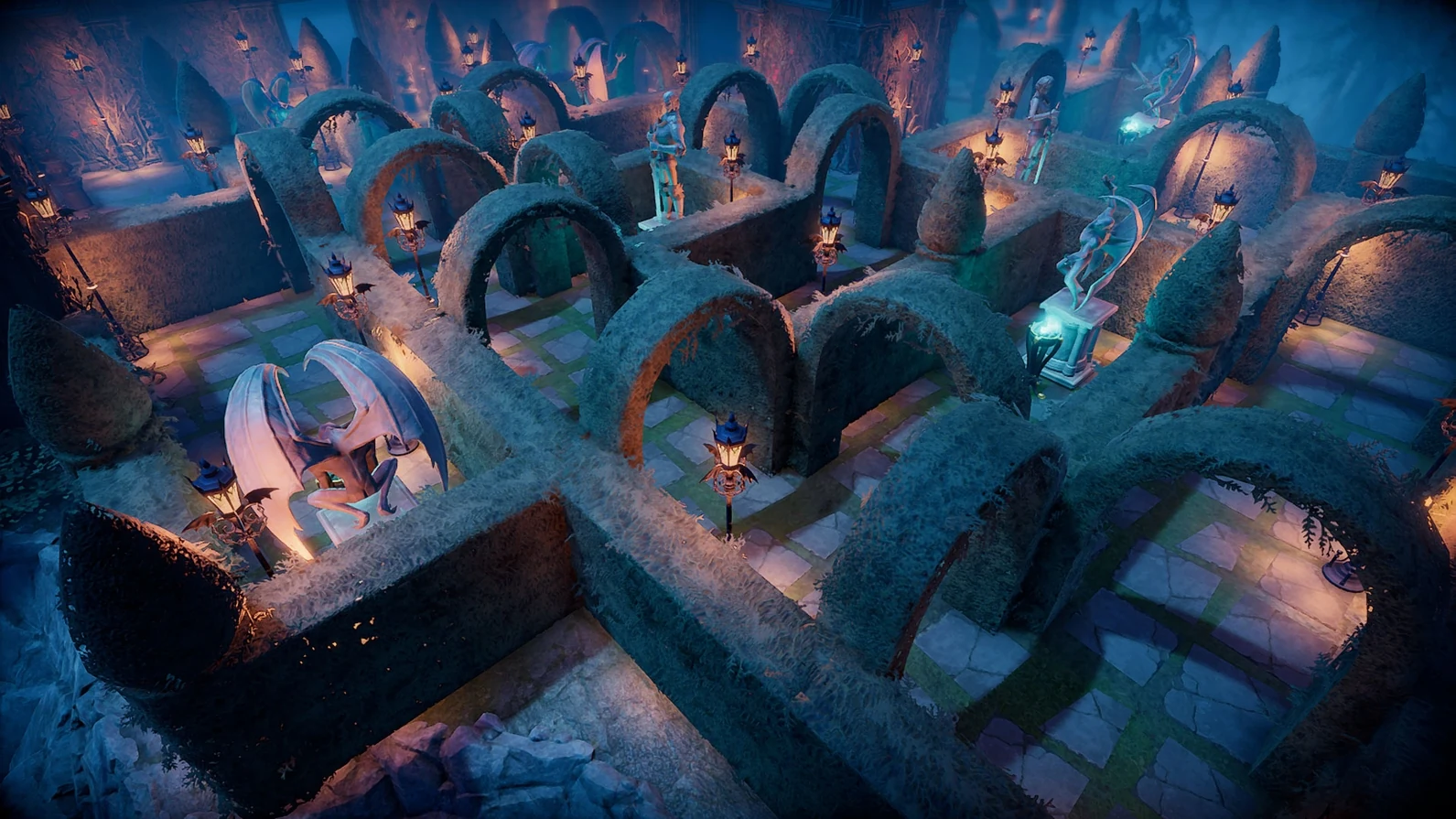
A few images that make the editorial policy feel less abstract

These are context only. They help the page feel like it belongs to a live game site, but they do not replace real proof screenshots.

Current public state

What the Site Feels Strongest On Right Now, and What Still Needs Work

Strongest right now

As of Tuesday, August 18, 2026, the site feels strongest as a database-and-tools hub: choosing the right guide, comparing routes, and showing maintenance boundaries in public.

Still the weakest layer

The main missing layer is still live route proof. The site has a public screenshot queue, but the first real gameplay captures are not connected yet.

Why that gap stays visible

Hiding the missing screenshots would make the site feel smoother, but less trustworthy. Leaving the gap public makes the maintenance state easier to judge honestly.

Where to look next

Use Status for the short version, Worklog for the change trail, and Proof for the current screenshot roadmap.

If you came from the homepage

How the Homepage Trust Signals Connect to This Page

The homepage now says more directly what the site already feels strongest on, what is still being strengthened, and why some proof gaps stay visible in public. This page is the longer version of that promise: why those labels exist, how review scope is set, and why a guide should say when certainty would be fake.

Current site state

The homepage summary gives the live guide count, section count, and proof-board status. This About page explains why those numbers stay public instead of being hidden behind a generic "updated recently" label.

Current trust boundary

The homepage trust-boundary block says what already feels strongest and what still needs more visual or patch-sensitive checking. This page explains the editorial reason behind that split.

Proof and review labels

If a page still needs live screenshots or a narrower re-check, the homepage points to Visual Coverage. This page explains why missing proof is labeled openly instead of being quietly blurred into confidence.

Maintenance and corrections

If you want the visible edit trail or the correction path behind the homepage claims, use Worklog and Contact. This page explains why those public routes matter.

Editorial filter

When a Page Deserves to Stay on This Site

A real guide site should be willing to leave some ideas unpublished. The point is not to cover every keyword. The point is to keep the pages that actually help a player make a better next decision.

A page earns its place if

  • it solves one clear player problem instead of only matching a keyword
  • it helps the reader decide what to do next, not only what something is called
  • it can explain route value, unlock value, timing, or tradeoffs honestly
  • it can point to a stronger follow-up page when the answer is only partial

A page probably should not exist if

  • it only repeats a basic wiki fact without changing the player's next step
  • it depends on fake certainty about a patch, route, or version signal
  • it is only a thinner copy of a broader page already on the site
  • it would need padding to look complete because the real answer is too small

Privacy policy

Use Privacy for the current data-handling and cookie policy that supports future advertising and site reviews.

Contact page

Use Contact to report guide corrections, policy questions, privacy concerns, or site feedback.

Editorial Desk

Use Editorial Desk when you want the shorter author-signal page behind guide bylines, review scope, and current proof limits.

Terms

Use Terms for the informational-use rules, no-warranty language, and non-affiliation notes behind the site.

Disclosure

Use Disclosure to see how ads, sponsorships, affiliate links, and future monetization changes will be labeled.

Editorial rule

What This Site Optimizes For

What we try to do

  • answer the real player question near the top of the page
  • show the next useful step instead of ending at one isolated answer
  • label patch-sensitive or visual-review pages clearly
  • use visuals to prove route, location, layout, or install claims rather than decorate the page

What we do not try to fake

  • we do not treat rumor-heavy version searches like confirmed roadmap pages
  • we do not mark a page as fully verified when gameplay re-check is still pending
  • we do not use fake visuals or pretend an image slot is live before the real file exists
  • we do not publish thin long-tail pages that only restate obvious wiki facts
Content roadmap

What Is Still Missing, and Why It Is Not Being Hidden

A real guide site never finishes in one pass. The useful part is showing which gaps matter most, which can wait, and which should stay out of the index until they can actually help a player decide something.

Current gap Why it matters to players How it should be handled next
Live route screenshots Boss routes, farming loops, layout pages, and mod setup pages become easier to trust when one visible frame proves the route or setup. Start with the six public review-priority guides, and only count a slot as live after the WebP file exists and the caption says what it proves.
Boss library depth More boss pages help only when each one explains unlock value, route pressure, and the next practical follow-up. Add bosses in progression chains instead of publishing thin one-name location pages.
Resource coverage Materials help most when the page explains when to farm, when to stop, and what the haul should unlock next. Prioritize resources tied to existing bottleneck pages before making broad item-directory entries.
Patch-sensitive mod notes Mod pages can go stale faster than basic route pages, especially after loader, dependency, or server changes. Keep update status visible and avoid listing specific mods unless the setup path can be explained with rollback and dependency caution.

This roadmap also protects the site from fake completeness. If a topic cannot answer a real player decision yet, it should stay in planning until it can add more than a keyword match.

Human signal

How We Keep the Site From Feeling Machine-Made

We try to sound human by

  • starting from the player's problem instead of a keyword bucket
  • using exact dates, save context, and clear follow-up pages
  • admitting when a claim is pending or still needs a visual proof
  • keeping each page focused on one useful decision

We avoid the usual AI tells

  • the same intro shape on every page
  • generic confidence without a current check
  • padding a small answer into a fake guide
  • making every page sound like it was written from the same outline

How guides are written

Most pages on this site are built around a simple sequence: answer the direct search question first, then explain route shape, prep, risk, common mistakes, and the next useful page if the first answer only solves part of the problem.

That is why pages often look more like route decisions than simple encyclopedia entries. The goal is not only to name a boss, item, or station. The goal is to help the visitor decide whether the trip is worth doing now and what should happen after the run succeeds.

How one guide claim is checked

A useful guide claim should survive more than a keyword match. Before a recommendation is treated as a working answer, it is checked against the player problem, the current route context, and the failure case that would make the advice misleading.

Check What we look for What readers should see
Player problem The page answers a real next-step question, not only a broad search phrase. A direct answer near the top, followed by route judgment and next actions.
Current game context Patch-sensitive claims are separated from evergreen planning advice. Visible review dates, update cautions, and links into the Updates hub where needed.
Route cost and risk The guide explains when the recommendation is worth doing and when it may waste a run. Save checks, mistakes to avoid, and stop/continue judgment instead of one fake-perfect route.
Public uncertainty Missing screenshots, pending live checks, or version-sensitive weak spots are not hidden. Proof status, correction links, and worklog notes that show what still needs review.

How pages stay current

Patch-aware updates

Patch-sensitive topics are reviewed when game updates change routes, unlock timing, mod compatibility, or farming pressure.

Player-first structure

Guides prioritize direct answers, route decisions, mistakes to avoid, and the next useful step instead of acting like generic item definitions.

Visual examples

When screenshots or diagrams are added, they are used to clarify routes, layouts, install paths, or decision points that are hard to judge from text alone.

Patch-sensitive topic

The subject is more likely to drift after updates, especially mods, route safety, farming efficiency, and version-intent searches.

Weekly publishing cadence

Original content rhythm

2-3 original guide updates per week, quality permitting

The working cadence is 2-3 original articles or substantial guide refreshes per week. Original means the page should add a useful route judgment, decision table, checklist, database connection, proof plan, or current-version note instead of rewriting the same public information in different words.

If a week does not have enough worthwhile topics, the better maintenance move is to improve an existing guide, add proof, or record a re-check instead of publishing filler.

When What gets checked What changes publicly
MondayProof queue, review queue, and any page that still feels thin.Worklog and proof pages get the first visible update.
WednesdayOne guide or tool that can add real decision value.The article or tool page gets the next public pass.
FridayHomepage, Updates, and link consistency across the site.The public trail stays in sync with the newest pass.
Patch dayAnything version-sensitive, especially mods and update-aware routes.Those pages move to review priority before new filler is added.

How a normal review pass happens

  1. Start from one page or one claim that looks outdated instead of assuming the whole site is wrong.
  2. Check whether the issue is really patch drift, route danger, wording drift, or a missing proof layer.
  3. Make the smallest honest fix first: adjust the route note, update the review label, change the follow-up link, or send the page to a fuller re-check.
  4. Record the change publicly when it affects trust signals, support pages, or the visible maintenance layer.

This keeps the site from pretending every issue is equally large. Sometimes the right fix is a full page review. Sometimes it is one sentence that became too confident after the game moved on.

What makes a correction easy to confirm

Best thing to send Why it helps
The exact page URL It keeps the review focused on one live public claim instead of one broad topic.
The exact step, route note, unlock, layout detail, or setup claim that looks wrong It makes it easier to tell whether the issue is factual, structural, or only poorly worded.
What changed in the live game or in your save situation It helps separate a real gameplay drift issue from a one-off misunderstanding.
Whether the issue appeared after a visible patch That helps decide whether the page should be reviewed alone or together with the Updates hub and related guides.

If you want the fastest route for that kind of report, use Contact. The site works best when one correction request points to one exact statement that can be checked honestly.

How review priority is decided

Not every page needs the same refresh speed. The first pages to re-check are usually the ones where doubt grows fastest after a patch or a small drift in game feel:

  1. mods and install workflow pages
  2. map and farming routes where safety or value can feel wrong quickly
  3. boss pages whose prep or unlock wording can drift
  4. version-intent and patch-intent pages that need exact dates

How visual proof is handled

This site does not treat images as decoration. A visual slot should only go live when a real matching file exists. The ideal first image proves a trust gap quickly: the quarry entry lane, the first iron segment, the mod dependency check, or the room grouping that makes a castle layout recommendation believable.

When a screenshot lands, the filename should stay short, numbered, and tied to the exact route, station, or loop the image proves.

That is also why the visual review layer is public. Visitors should be able to tell which pages are already useful, which pages still depend mostly on text, and which ones have already started flipping from planned review to live visuals.

What was reviewed recently

August 6, 2026

The site voice got a clearer human-maintenance pass

The About page now explains more directly how the site avoids thin AI-looking pages, keeps review dates visible, and decides when a page should be delayed instead of padded out.

August 5, 2026

Editorial standards were made more explicit

The About page was tightened so visitors can see more clearly what kind of page deserves to stay on the site, what gets delayed, and why not every search phrase should become a standalone article.

August 3, 2026

Editorial review dates were rolled forward across the live site

Guide cards, category hubs, support pages, and public maintenance checks were refreshed so the site reflects the current editorial pass date without changing older official source anchors.

July 31, 2026

Guide decision layers were expanded

Core articles were updated with guide-scope blocks, session checklists, route-decision tables, and player notes so readers can judge whether a page fits their current save before reading the full article.

July 31, 2026

The homepage became more problem-led

A session problem finder was added so visitors can start from the blocker they actually feel: progression confusion, messy material runs, slow castle flow, unclear map routes, risky mods, or broad wiki-style orientation.

July 28, 2026

The public maintenance layer was tightened

Updates and editorial-policy pages were strengthened so the site explains its own review standards more clearly instead of leaving them implied.

July 28, 2026

Article follow-ups became more editorial

Guide pages now recommend the next step based on the kind of blocker the reader still has, not just through a raw related-links list.

July 27, 2026

Visual intake structure was prepared

High-trust pages were wired for real visuals with exact expected filenames and folders so the first visual checks can land cleanly.

What we would rather delay than fake

  • a speculative future-version page without official support
  • a visual-backed claim when no matching image has actually been connected
  • a broad "best" recommendation that has no route, tradeoff, or maintenance context
  • a patch-sensitive answer presented as permanent fact when it still needs a live re-check
Current visual review

Which Pages We Would Show First

This review list is public on purpose. It tells visitors which pages already look useful in text, but would gain trust fastest from real connected visuals.

Open visual coverage
Public review layer

What the Site Looks Like When It Is Being Maintained

The point of these signals is not to sound polished. It is to make uncertainty, progress, and review scope visible enough that readers can judge the page honestly.

Answer-first pages

The player should not need to scroll through filler before learning the direct answer.

Visible next-step guidance

The page should say what the visitor should read next if the first answer only solves half the problem.

Visible review notes

The page should expose whether the current pass was mainly structural, visual-proof-focused, or still waiting on a gameplay re-check.

Visible trust gaps

If the first screenshot, route crop, or patch check is still missing, the page should say so clearly instead of acting finished.